
Broadband vs. Fiber: Which Internet Connection is Best for You?
In today’s digital world, having a fast, stable, and reliable internet connection is no longer a luxury—it’s a necessity. Whether you’re working remotely, streaming HD videos, gaming online, or running a business, choosing the right type of internet can make all the difference.
When researching internet options, you’ll frequently come across two main choices: broadband (DSL or cable) and fiber-optic internet. But which one is best for your needs?
This comprehensive guide will help you understand the key differences, pros, cons, and factors to consider when choosing between broadband and fiber internet.
What is Broadband Internet?
Broadband refers to high-speed internet that provides always-on connectivity. Unlike dial-up connections, broadband allows users to access the internet without interrupting their phone service.
There are several types of broadband connections:
- DSL (Digital Subscriber Line): Uses existing telephone lines to deliver internet, offering speeds up to 100 Mbps.
- Cable Internet: Uses the same coaxial cables as cable TV, offering speeds up to 1 Gbps, but performance can drop during peak hours.
- Satellite Internet: Uses satellite signals, making it an option for remote areas, but it has high latency and can be affected by weather.
- Fixed Wireless Broadband: Delivers internet via radio signals, often used in rural areas where wired connections are unavailable.
Pros of Broadband Internet:
One of the biggest advantages of broadband is its widespread availability. Unlike fiber, which is still expanding, broadband connections, particularly DSL and cable, are found in most homes and businesses. This makes it a practical choice for people who need internet access without waiting for new infrastructure.
Another benefit is affordability. In general, DSL and cable broadband plans are cheaper than fiber-optic alternatives, making them an attractive choice for users who don’t require extremely high speeds. If your internet usage is limited to browsing, email, social media, and light streaming, broadband can be a cost-effective solution.
Additionally, broadband services use existing infrastructure like telephone or TV cables, making installation easy and accessible for most people. Cable broadband, in particular, offers decent speeds, which can be sufficient for households with multiple users streaming and browsing simultaneously.
Cons of Broadband Internet:
Despite its advantages, broadband has some notable limitations. One of the biggest drawbacks is speed inconsistency. While cable broadband offers higher speeds than DSL, it suffers from network congestion, meaning performance can slow down significantly during peak hours when multiple users in the area are online.
DSL, on the other hand, is limited by distance from the service provider. The farther your home is from the provider’s infrastructure, the slower your connection will be.
Another issue with broadband is latency, especially for online gaming, video conferencing, and other real-time applications. High latency results in lag and delays, which can be frustrating for users who need fast response times.
Finally, satellite broadband, while a good option for rural areas, is highly weather-dependent and expensive, making it less ideal for most users.
What is Fiber Internet?
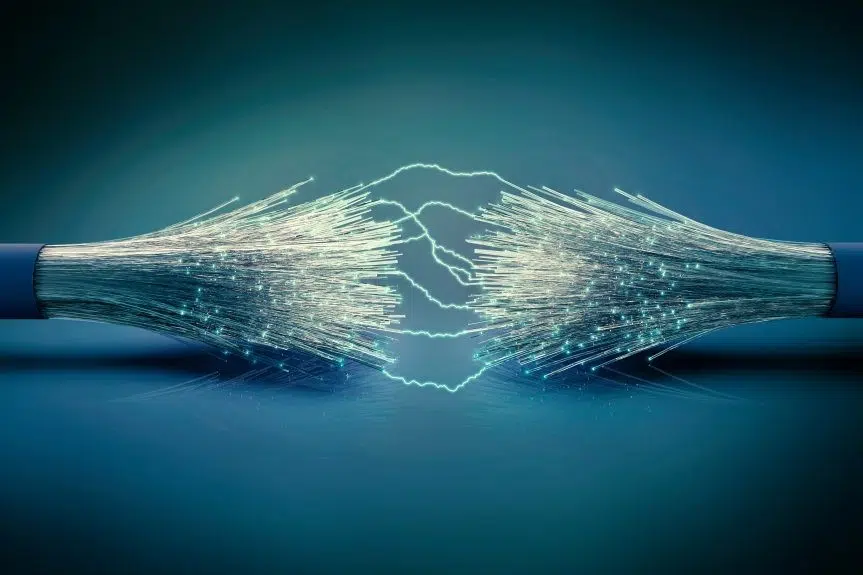
Fiber-optic internet is a modern and high-speed internet technology that uses thin glass or plastic fibers to transmit data as light signals. Because data travels at the speed of light, fiber internet is significantly faster and more reliable than traditional broadband.
Types of Fiber Internet:
- FTTH (Fiber to the Home): The best option, as it brings pure fiber connection directly to your residence, offering the highest speeds and lowest latency.
- FTTB (Fiber to the Building): Fiber reaches the building, but internal connections may use copper cables, which slightly reduces speed.
- FTTC (Fiber to the Curb): Fiber reaches a nearby cabinet, and the final connection to your home is covered by DSL or cable, reducing overall performance.
Pros of Fiber Internet:
The biggest advantage of fiber internet is speed. With speeds reaching up to 10 Gbps, fiber is the best choice for streaming in 4K/8K, online gaming, remote work, and large file transfers. Unlike broadband, fiber speeds remain consistent even during peak hours, meaning you don’t experience slowdowns when many people are online.
Another key benefit is low latency. Fiber-optic technology offers the fastest response times, making it ideal for real-time applications like gaming, video conferencing, and stock trading.
Fiber internet is also more reliable than broadband. Since it transmits data using light signals, it is not affected by electromagnetic interference, weather conditions, or network congestion. This makes fiber a more stable option, especially for businesses or users who need uninterrupted connectivity.
Lastly, fiber is a future-proof technology. As internet demands increase, fiber infrastructure can handle higher speeds without requiring major upgrades. This ensures long-term value, making fiber a smart investment if you have access to it.
Cons of Fiber Internet:
Despite its many benefits, fiber has some downsides. The most significant challenge is availability. Fiber-optic networks are still expanding, meaning many rural and suburban areas don’t have access to fiber yet. In contrast, broadband connections are already well-established in most regions.
Another drawback is cost. Fiber plans tend to be more expensive than DSL or cable, although prices have been steadily decreasing as fiber networks expand. However, for those who need extremely fast speeds and reliability, fiber provides great value for money.
Installation can also be an issue, as fiber requires specialized infrastructure. Unlike broadband, which uses existing cables, fiber may require new wiring, making it more expensive and time-consuming to set up.
Which One Should You Choose?
Choose Broadband If:
- You live in an area without fiber coverage.
- You need an affordable internet plan for general browsing and social media.
- Your internet usage is moderate, and you don’t require ultra-fast speeds.
- You want an easy-to-install option that doesn’t require new infrastructure.
Choose Fiber If:
- You work from home and need a stable, high-speed connection.
- You are a gamer or 4K/8K streamer and require low latency.
- You frequently download and upload large files.
- Fiber is available in your area, and you want a future-proof connection.
Final Verdict: Which One is Better?
If you prioritize speed, reliability, and future-proof technology, fiber internet is the best choice. It provides faster speeds, lower latency, and better performance overall. However, if fiber isn’t available in your area or you need a more budget-friendly option, broadband (especially cable internet) is still a solid alternative.
Things to Consider Before Choosing:
- Check Availability: Fiber may not be accessible in all locations.
- Compare Costs: Broadband is usually cheaper, but fiber provides better value for high-speed needs.
- Think About Your Internet Usage: If you’re a heavy user, fiber is worth the investment.
Ultimately, the best internet connection depends on your needs. Before making a decision, check with local providers and compare their plans, speeds, and pricing.
Would you like help finding the best broadband or fiber providers in your area? Let me know, and I can guide you to the best options available!